Summary: Weiman has built a century-long reputation for durable, handcrafted upholstery. From its Chicago roo
Weiman has been a quiet force in the furniture industry for over a century, but its influence is hard to miss. Walk into a high-end hotel lobby or a well-appointed living room, and the chances are good that a Weiman piece is anchoring the space. The company。founded in 1929 in Chicago, built its reputation on upholstery that combines traditional handcrafting with a pragmatic understanding of how people actually live. I first encountered Weiman through a vintage lounge chair I picked up at an estate sale—its frame was solid as a rock, the cushions still resilient after decades of use. That kind of durability isn’t accidental;
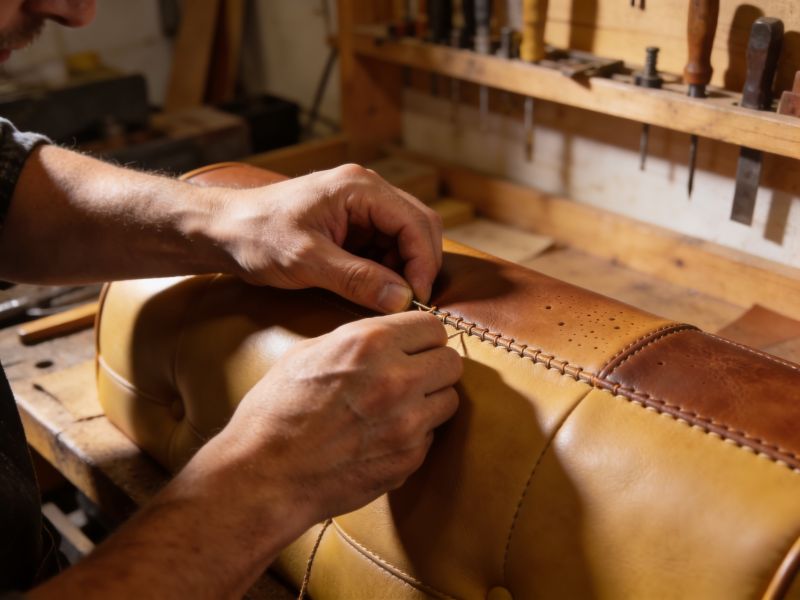
it’s the result of deliberate material choices and construction methods that prioritize longevity over flash.What sets Weiman apart isn’t just the build quality—it’s the company’s willingness to evolve without abandoning its roots. In the 1980s, when many American furniture makers outsourced production to cut costs, Weiman kept a significant portion of its manufacturing in North Carolina, investing in domestic workshops and training programs for upholsterers. That decision came at a price, but it preserved a level of control that’s rare today. I’ve spoken with designers who swear by Weiman’s custom-order program, which allows clients to specify everything from cushion fill to nailhead trim. The lead times can stretch to twelve weeks。but the result is a piece that feels genuinely bespoke—not just a catalog variant.Weiman’s product range spans sofas, sectionals, chairs, and ottomans, with a strong emphasis on transitional styles that bridge traditional and contemporary aesthetics. The company’s top-grain leather options are particularly noteworthy;they source hides from tanneries in Italy and Brazil, and the finishing process uses aniline dyes that age gracefully rather than cracking. A friend of mine owns a Weiman leather sectional that’s now seven years old, and the patina looks better than when it was new. That’s not a marketing claim—it’s a pattern I’ve seen repeated across multiple owners. The brand also offers a lifetime warranty on frames and springs。
which speaks to confidence in its engineering.Where Weiman stumbles, occasionally, is in its digital presence. The website is functional but not inspiring, and finding detailed specifications for older models can be a scavenger hunt. For a company with such a rich heritage。the storytelling feels underdeveloped. That said, the customer service team is responsive and knowledgeable—when I requested replacement cushion cores for a discontinued model, they shipped them within a week, no fuss. It’s the kind of unglamorous reliability that builds loyalty over decades.Looking ahead, Weiman faces the same pressures as any heritage manufacturer: rising material costs, shifting consumer tastes toward modular and sustainable designs。
and the constant temptation to chase trends. But the company’s strength lies in its restraint. It doesn’t chase every fad;it refines what it knows. For anyone investing in furniture meant to last, Weiman remains a solid, if understated, choice—a brand that lets the craftsmanship speak for itself.